
Scotland is home to countless castles, perched along lochs and scattered across its rolling hills. With thousands to explore, some stand fully restored with rooms and artifacts that bring the past to life, while others lie in ruins, inviting your imagination to fill in the stories. In this guide, we’ll explore castles where you can picture what life was like before time left its mark.
Urquhart Castle: The Sentinel of Loch Ness
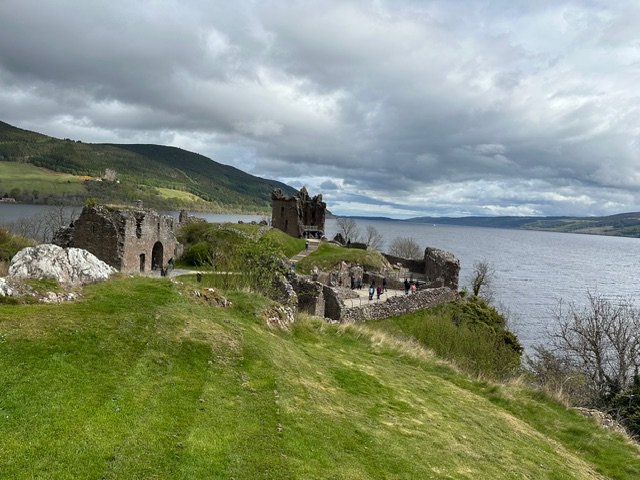
Urquhart Castle sits dramatically on the shores of Loch Ness, making it one of Scotland’s most iconic historic sites. The castle’s origins date back to around the 13th century, though there is evidence of earlier fortifications on the site as far back as the 6th century. It played a key role during the Wars of Scottish Independence, frequently changing hands between Scottish and English forces due to its strategic position overlooking the loch and surrounding glens.
By the late 17th century, the castle had fallen into ruin—intentionally blown up in 1692 to prevent it from being used by Jacobite forces. Today, visitors can wander through its remains, including the towering Grant Tower, and imagine life within its once-bustling walls. An interesting fact is that Urquhart Castle is one of the best places to spot the legendary Loch Ness Monster, adding a touch of mystery to its already rich history
Blackness Castle: The Ship That Never Sailed
Situated on the picturesque shores of the Firth of Forth, Blackness Castle stands as a remarkable testament to 15th-century military architecture. Built around 1440, this fortress was designed to not only serve as a defensive stronghold but also to resemble a ship, leading to its popular nickname, “The Ship That Never Sailed.” Its unique design choices reflect the martial priorities of the time, effectively marrying functionality with aesthetic appeal.
The strategic significance of Blackness Castle cannot be understated. Positioned on the water’s edge, the castle was particularly well-placed to monitor and control maritime traffic within the river, making it a crucial linchpin in Scotland’s coastal defense system. This layout allowed the castle’s garrison to swiftly respond to any naval threats, solidifying its reputation as an essential stronghold for over four centuries.
Throughout its storied history, Blackness Castle has served various purposes, from a military garrison to a governmental seat. Its role as a stronghold exemplified the growing need for fortified structures during periods of conflict. As visitors wander through the ruins, they can glean insights into medieval life, from the living conditions of the garrison to the strategic innovations of the era. Although much of the castle has crumbled over the years, the remnants of its battlements and towers evoke a sense of the past, inviting exploration and imagination.
For those interested in Scotland’s rich history, Blackness Castle remains a captivating destination. The blend of its intriguing design, historical significance, and the evocative tales of its past offers a unique opportunity to appreciate life in a medieval stronghold. A visit to this iconic castle promises not only a glimpse into Scotland’s defensive architecture but also an engaging experience that captures the essence of the country’s turbulent past.
Craigmillar Castle: A Jewel of the Past
Located just a few miles from Edinburgh, Craigmillar Castle presents an exquisite example of medieval architecture and Scottish history. Established during the 14th century, this remarkable structure has remained a prominent site through the ages, serving as a testament to the rich narrative woven into Scotland’s past. The castle’s commanding presence, coupled with its storied history, captures the imagination of visitors and history enthusiasts alike.
One of the most notable figures associated with Craigmillar Castle is Mary, Queen of Scots. It was here that she sought refuge during her troubled reign, finding solace and support among her loyal followers. The castle’s connection to Mary, Queen of Scots, highlights its significance beyond mere architecture; it represents the political intrigues and personal struggles of a tumultuous period in Scottish history. Many stories are whispered within the ancient walls, making it a captivating destination for those curious about Scotland’s monarchical heritage.
Architecturally, Craigmillar Castle showcases a fascinating blend of styles that evolved over time, reflecting the changing tastes and functions of its inhabitants. Visitors can explore the nearly intact structure, which features a variety of elements, from the imposing tower house to the remnants of its fortified walls. The castle is surrounded by verdant landscapes and gardens that further enhance its beauty, allowing visitors to immerse themselves in a tranquil atmosphere that feels suspended in time.
As you traverse through its many rooms and passageways, it is easy to envision the lives once lived within these walls. Craigmillar Castle serves as a remarkable historical site, offering insights into Scotland’s past and inviting exploration of its numerous architectural marvels.
Donnager Castle: The Ruins of a Forgotten Stronghold
Donnager Castle stands as a testament to Scotland’s rich and turbulent history, shrouded in the mists of legend and local folklore. Built during the late medieval period, approximately in the 14th century, it was initially constructed as a strategic military stronghold, embodying the architectural style of its time. As a fortress, it played a crucial role in regional defense, overseeing vital trade routes and guarding against incursions from rival clans.
The castle’s historical significance can be traced through various accounts that extol its formidable presence. Despite lacking comprehensive historical records detailing its construction, local lore persists, suggesting that Donnager Castle was built by a clan reputed for its fierce resistance against invaders. It is said that the castle, with its towering walls and expansive grounds, served as a sanctuary for many warriors and their families during times of conflict.
However, like many strongholds of its kind, Donnager Castle witnessed a decline that ultimately led to its current state of ruins. By the 18th century, the castle’s military importance diminished, leading to neglect and decay, a fate suffered by numerous castles across Scotland. Today, only remnants of the once-mighty structure remain, captivating curious visitors with its crumbling walls and enigmatic atmosphere.
Amidst the stones, whispers of ancient battles and stories of valiant noblemen echo, inviting contemporary explorers to envision its vibrant past. Although little remains of its original grandeur, the ruins of Donnager Castle symbolize the passage of time and the enduring fascination with Scotland’s feudal history. The legends surrounding this forgotten stronghold add an element of intrigue to any journey through the Scottish landscape, making it a notable point of interest for historians and adventurers alike.
Dunollie Castle
Dunollie Castle, perched elegantly on a cliff overlooking the picturesque Oban Bay, is a historic stronghold that narrates centuries of Scottish history. Its origins date back to the late 7th century, making it one of the oldest castles in the region. Once the seat of the MacDougall family, Dunollie witnessed numerous battles and sieges, including the conflicts arising from clan feuds prevalent in medieval Scotland. The castle’s enduring stone structure offers visitors a glimpse into its fortified past, with remnants of its walls telling stories of resilience and survival.
Dunstaffnage Castle
Located just a few miles from Dunollie, Dunstaffnage Castle stands as a testament to Scotland’s strategic military architecture. Established in the 13th century, this castle was crucial during the Wars of Scottish Independence and served as a royal fortress, where pivotal events were set into motion. Dunstaffnage boasts impressive ruins, including its donjon and curtain walls, providing insight into the medieval way of life. Visitors are often captivated by the views it offers of the surrounding landscape, further enriching the historical experience. This castle not only represents a defense mechanism of its time but also encapsulates rich tales of its noble residents.
Linlithgow Palace
Linlithgow Palace, a royal residence rather than a traditional castle, serves as another key piece in the tapestry of Scotland’s heritage. Constructed in the 15th century, this grand building was the birthplace of several Scottish monarchs, including Mary, Queen of Scots. The architecture showcases the elegance of the late medieval period, featuring ornate stonework and spacious halls, which provide a striking contrast to the fortress-style of Dunollie and Dunstaffnage. Despite its ruins today, the palace remains a symbol of royal ambition and historical grandeur, attracting scholars and tourists alike. The distinct narratives of these three castles—Dunollie, Dunstaffnage, and Linlithgow—collectively depict the resilience and evolution of Scottish history, making them pivotal attractions for those exploring the rich heritage of Scotland.